




Art, Ceramics & Collectibles
-
Antique Carved Bone Memento Mori Skull Cross | Circa 1880 – 1920

Antique Carved Bone Memento Mori Skull Cross | Circa 1880 – 1920
- Regular price
- $700.00
- Sale price
- $700.00
- Regular price
-
Ancient Near Eastern White Stone Lugged Vessel | Circa 1st Millennium B.C.

Ancient Near Eastern White Stone Lugged Vessel | Circa 1st Millennium B.C.
- Regular price
- $700.00
- Sale price
- $700.00
- Regular price
-
Ancient Greek Terracotta Brazier Fragment with Bearded Male Face | 3rd Century BCE
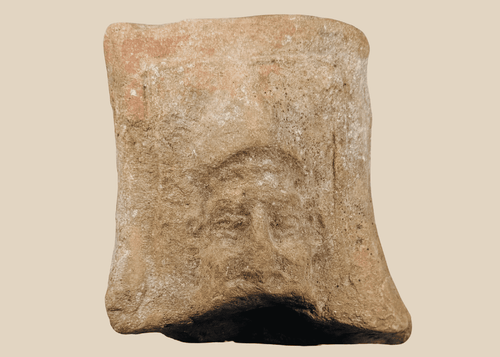
Ancient Greek Terracotta Brazier Fragment with Bearded Male Face | 3rd Century BCE
- Regular price
- $700.00
- Sale price
- $700.00
- Regular price
-
Sacred Enamel Miniature Icon | in Original Leather Prayer Case | Circa 19th Century
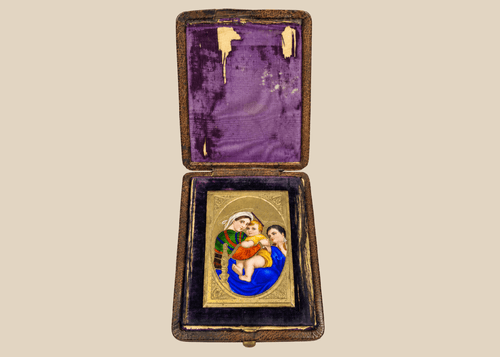
Sacred Enamel Miniature Icon | in Original Leather Prayer Case | Circa 19th Century
- Regular price
- $700.00
- Sale price
- $700.00
- Regular price
-
Plaster Cast of Medieval Griffon Relief | Westminster | Circa 1902
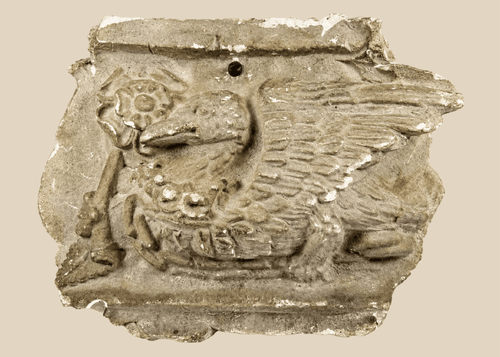
Plaster Cast of Medieval Griffon Relief | Westminster | Circa 1902
- Regular price
- $700.00
- Sale price
- $700.00
- Regular price
-
Spanish Colonial Santo Figure | Carved Wooden Friar with Traces of Polychrome | 17th–18th Century
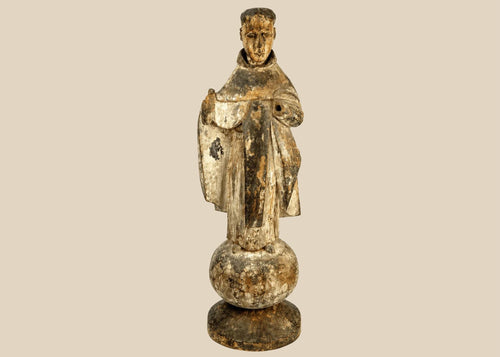
Spanish Colonial Santo Figure | Carved Wooden Friar with Traces of Polychrome | 17th–18th Century
- Regular price
- $700.00
- Sale price
- $700.00
- Regular price
-
Early 20th Century Impressionist River Landscape Oil Painting with Rowing Figure | Ornate Gilt Frame | Circa 1920–1940

Early 20th Century Impressionist River Landscape Oil Painting with Rowing Figure | Ornate Gilt Frame | Circa 1920–1940
- Regular price
- $650.00
- Sale price
- $650.00
- Regular price
-
Ancient Egyptian Faience Necklace with Eye of Horus (Wedjat) Amulet | Late Period–Ptolemaic, Circa 664–30 BCE
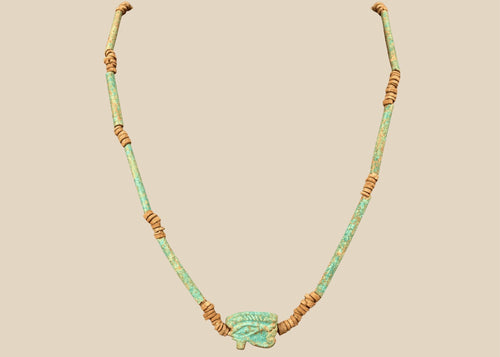
Ancient Egyptian Faience Necklace with Eye of Horus (Wedjat) Amulet | Late Period–Ptolemaic, Circa 664–30 BCE
- Regular price
- $650.00
- Sale price
- $650.00
- Regular price
-
Curated Pre-Columbian | Artifact Shadow Box | Figurines & Beads | Circa 300 BCE–900 CE
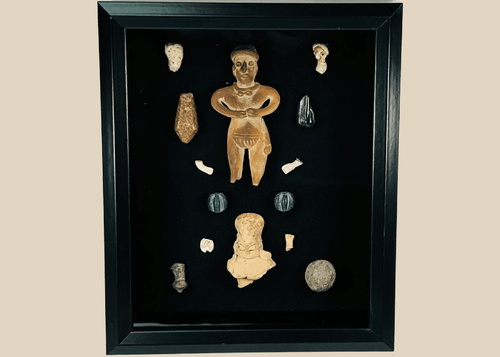
Curated Pre-Columbian | Artifact Shadow Box | Figurines & Beads | Circa 300 BCE–900 CE
- Regular price
- $650.00
- Sale price
- $650.00
- Regular price
-
Ancient Egyptian | Burial Ushabti in Glazed Faience | Circa Late Period 664–332 BCE
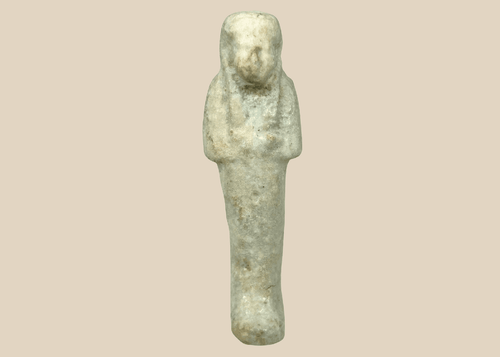
Ancient Egyptian | Burial Ushabti in Glazed Faience | Circa Late Period 664–332 BCE
- Regular price
- $650.00
- Sale price
- $650.00
- Regular price
-
Framed Collection of Pre-Columbian Ceramic & Terracotta Artifacts | Circa 300 BCE – 900 CE
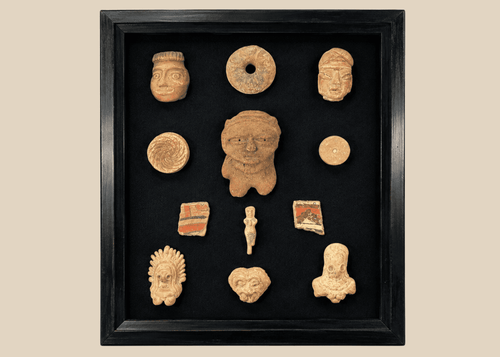
Framed Collection of Pre-Columbian Ceramic & Terracotta Artifacts | Circa 300 BCE – 900 CE
- Regular price
- $650.00
- Sale price
- $650.00
- Regular price
-
Ancient Roman Glass Burial Bracelet | Circa 2nd – 4th Century CE
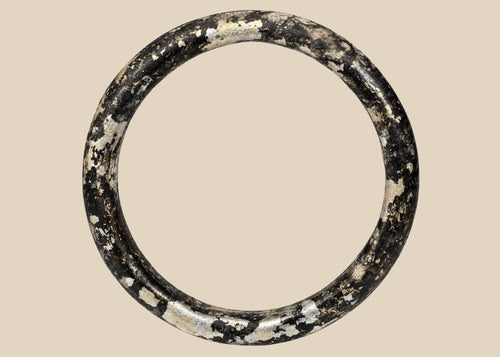
Ancient Roman Glass Burial Bracelet | Circa 2nd – 4th Century CE
- Regular price
- $650.00
- Sale price
- $650.00
- Regular price
-
South Indian Sandstone Ganesha Votive | Circa 18th – 19th Century
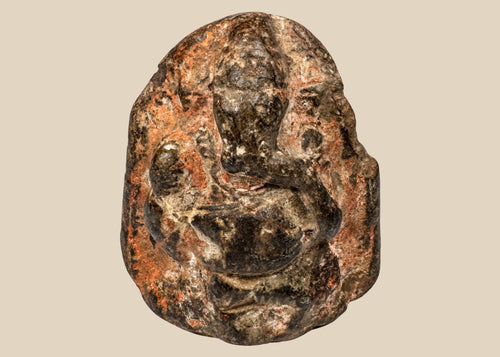
South Indian Sandstone Ganesha Votive | Circa 18th – 19th Century
- Regular price
- $650.00
- Sale price
- $650.00
- Regular price
-
Japanese Carved Wood Standing Amida Nyorai Buddha with Inscription | Circa 1800 - 1880
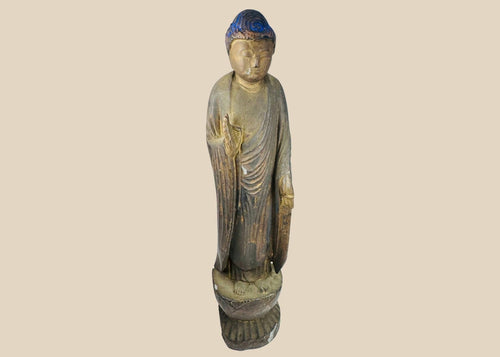
Japanese Carved Wood Standing Amida Nyorai Buddha with Inscription | Circa 1800 - 1880
- Regular price
- $650.00
- Sale price
- $650.00
- Regular price
-
Pair of Antique Chinese Carved & Lacquered Wood Guardian Lions | Circa 1850 – 1920
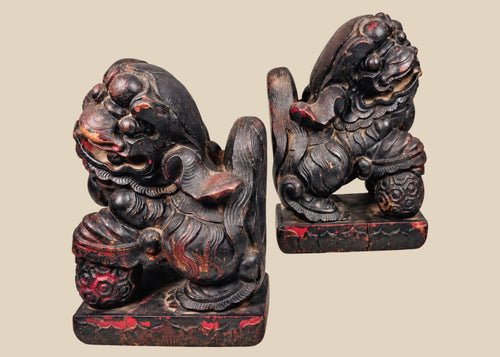
Pair of Antique Chinese Carved & Lacquered Wood Guardian Lions | Circa 1850 – 1920
- Regular price
- $650.00
- Sale price
- $650.00
- Regular price
-
Naga Warrior Tooth & Brass Spiral Status Necklace | Late 19th – Early 20th Century
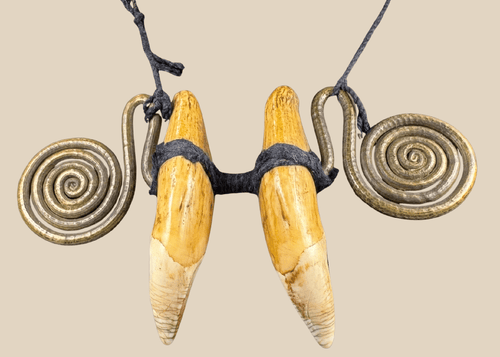
Naga Warrior Tooth & Brass Spiral Status Necklace | Late 19th – Early 20th Century
- Regular price
- $650.00
- Sale price
- $650.00
- Regular price
-
Antique Japanese Stag Antler Demon Face Carving | Meiji-Era | Circa 1850 – 1900
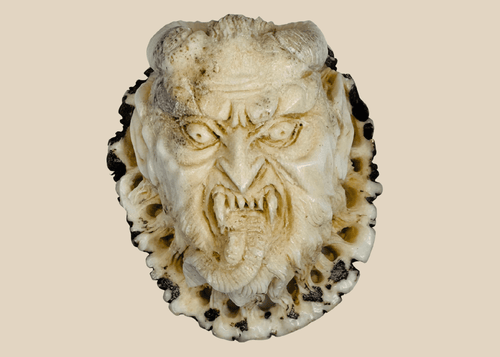
Antique Japanese Stag Antler Demon Face Carving | Meiji-Era | Circa 1850 – 1900
- Regular price
- $650.00
- Sale price
- $650.00
- Regular price
-
Spanish Colonial | Carved Wooden Christ Figure | Devotional Relic | Circa 16th Century
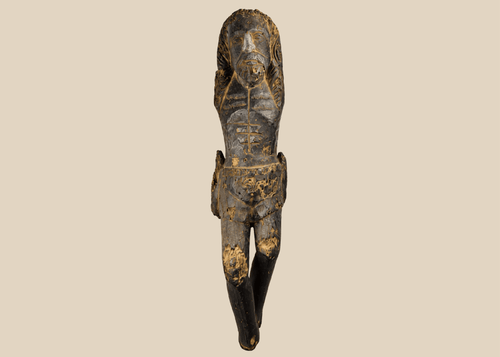
Spanish Colonial | Carved Wooden Christ Figure | Devotional Relic | Circa 16th Century
- Regular price
- $650.00
- Sale price
- $650.00
- Regular price
-
Pre-Columbian | Shadowbox Display: Skull Effigy, Masks, Figurine & Shard | Circa 300 BCE – 900 CE
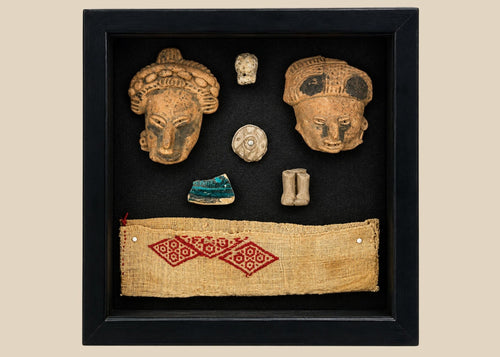
Pre-Columbian | Shadowbox Display: Skull Effigy, Masks, Figurine & Shard | Circa 300 BCE – 900 CE
- Regular price
- $650.00
- Sale price
- $650.00
- Regular price
-
Early Nazca Polychrome Bowl | Peru | Circa 100-300 CE
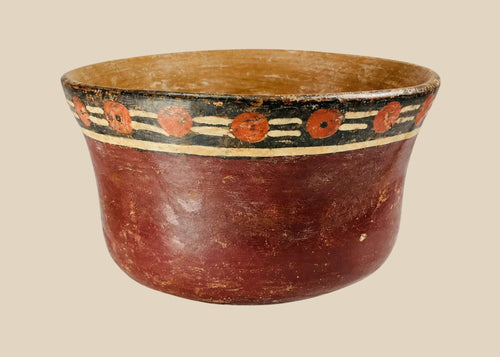
Early Nazca Polychrome Bowl | Peru | Circa 100-300 CE
- Regular price
- $650.00
- Sale price
- $650.00
- Regular price
-
18th Century French Peddler’s Crucifix | Lead Arma Christi Passion Cross | Circa 1700–1799 CE
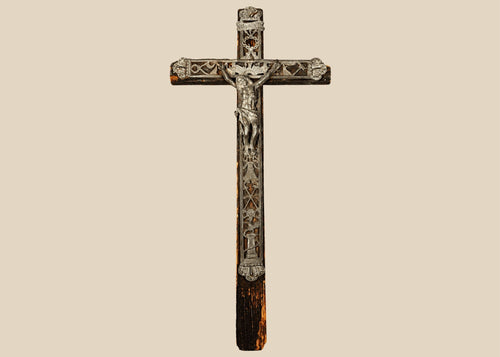
18th Century French Peddler’s Crucifix | Lead Arma Christi Passion Cross | Circa 1700–1799 CE
- Regular price
- $600.00
- Sale price
- $600.00
- Regular price
-
Vintage Cast Bronze Buddha Head | Asian Buddhist Sculpture | Mid 20th Century
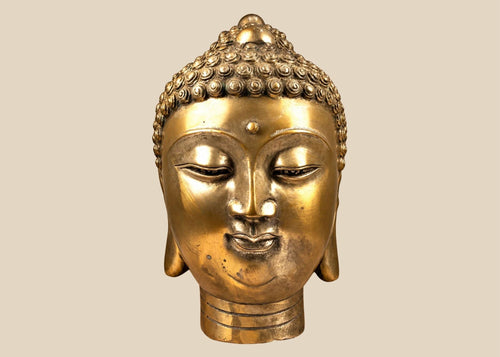
Vintage Cast Bronze Buddha Head | Asian Buddhist Sculpture | Mid 20th Century
- Regular price
- $600.00
- Sale price
- $600.00
- Regular price
-
Ancient Eastern Mediterranean Terracotta Unguentarium | 1st–2nd Century CE
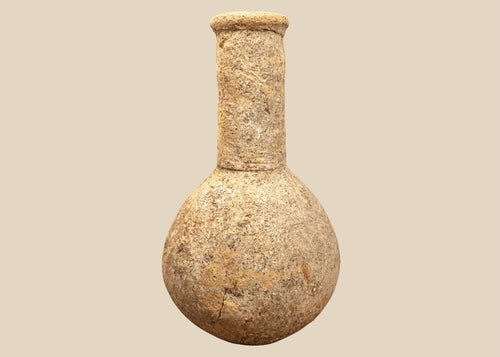
Ancient Eastern Mediterranean Terracotta Unguentarium | 1st–2nd Century CE
- Regular price
- $600.00
- Sale price
- $600.00
- Regular price
-
Emily Muse – The Famous Angel, Rotherhithe, London | Original Maritime Oil Painting | 1990

Emily Muse – The Famous Angel, Rotherhithe, London | Original Maritime Oil Painting | 1990
- Regular price
- $600.00
- Sale price
- $600.00
- Regular price
-
Pre-Columbian Terracotta Prone Human Figure with Earspools | Coastal Ecuador | Circa 500 BCE–500 CE
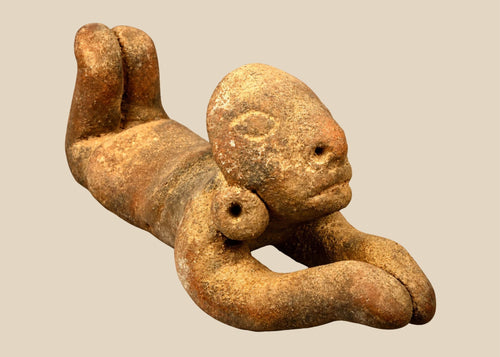
Pre-Columbian Terracotta Prone Human Figure with Earspools | Coastal Ecuador | Circa 500 BCE–500 CE
- Regular price
- $600.00
- Sale price
- $600.00
- Regular price
-
Pre-Columbian Terracotta Ritual Rattles (Group of Four) | Circa 300 BCE–900 CE
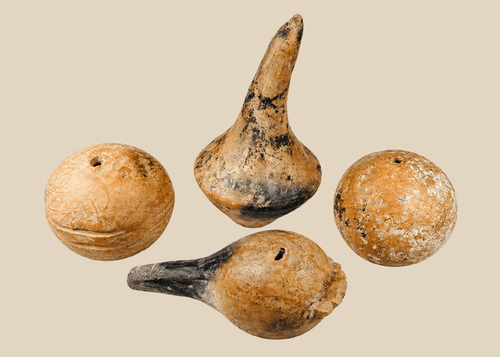
Pre-Columbian Terracotta Ritual Rattles (Group of Four) | Circa 300 BCE–900 CE
- Regular price
- $600.00
- Sale price
- $600.00
- Regular price
-
Ancient Judaean Herodian Terracotta Oil Lamp in Presentation Display Case | 2nd–3rd Century CE
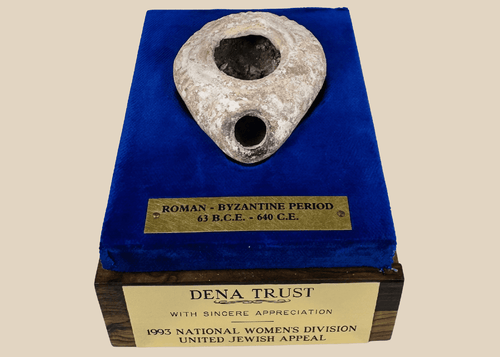
Ancient Judaean Herodian Terracotta Oil Lamp in Presentation Display Case | 2nd–3rd Century CE
- Regular price
- $600.00
- Sale price
- $600.00
- Regular price
-
Ancient Egyptian | Faience Bastet Cat Vessel Fragment | Circa 664–30 B.C.
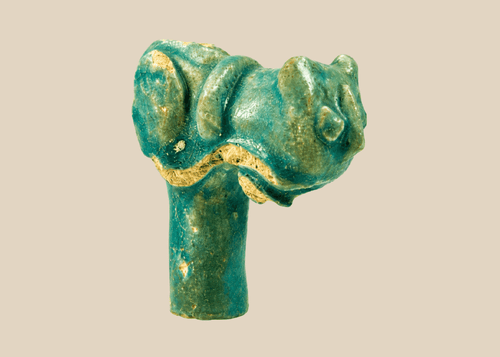
Ancient Egyptian | Faience Bastet Cat Vessel Fragment | Circa 664–30 B.C.
- Regular price
- $600.00
- Sale price
- $600.00
- Regular price
-
Ancient Egyptian | Blue Faience Protective Deity Figure | Circa 664–30 B.C.
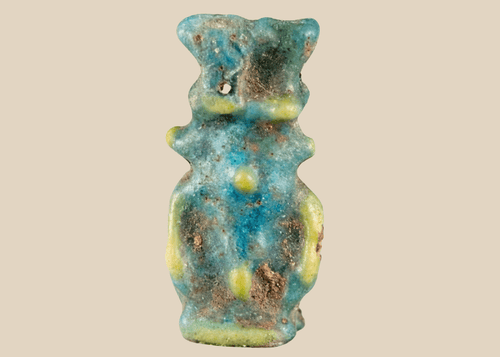
Ancient Egyptian | Blue Faience Protective Deity Figure | Circa 664–30 B.C.
- Regular price
- $600.00
- Sale price
- $600.00
- Regular price
-
Antique Baroque Carved Wood Relief of the Virgin & Christ Child Crowned by Angels | Circa 1650 – 1750
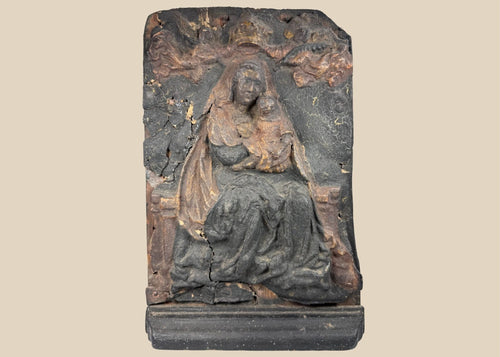
Antique Baroque Carved Wood Relief of the Virgin & Christ Child Crowned by Angels | Circa 1650 – 1750
- Regular price
- $600.00
- Sale price
- $600.00
- Regular price
-
Chinese Carved Wooden | Offering Attendant | Late Qing to Early Republic Period | Circa 1850 – 1920
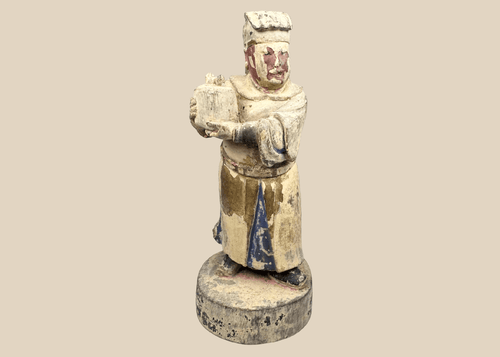
Chinese Carved Wooden | Offering Attendant | Late Qing to Early Republic Period | Circa 1850 – 1920
- Regular price
- $600.00
- Sale price
- $600.00
- Regular price
-
Gothic Revival | Carved Wooden Corbel Depicting a Medieval King | Circa 1850 – 1900
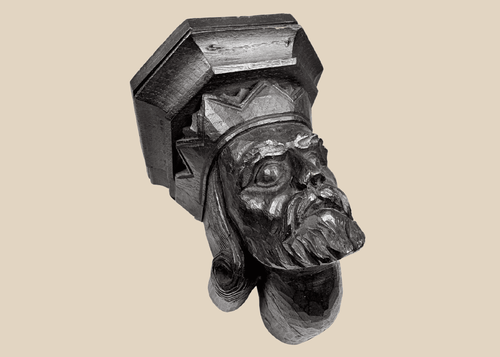
Gothic Revival | Carved Wooden Corbel Depicting a Medieval King | Circa 1850 – 1900
- Regular price
- $600.00
- Sale price
- $600.00
- Regular price
-
Ancient Sasanian Terracotta Bowl | Ancient Persia | Detailed Provenance | Circa 3rd–7th Century CE
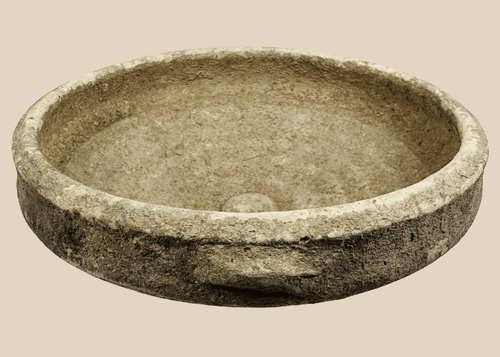
Ancient Sasanian Terracotta Bowl | Ancient Persia | Detailed Provenance | Circa 3rd–7th Century CE
- Regular price
- $600.00
- Sale price
- $600.00
- Regular price
-
Greek Architectural Roof Tile Ornament | Palmette and Hermes Motif | Circa Late 19th to Early 20th Century
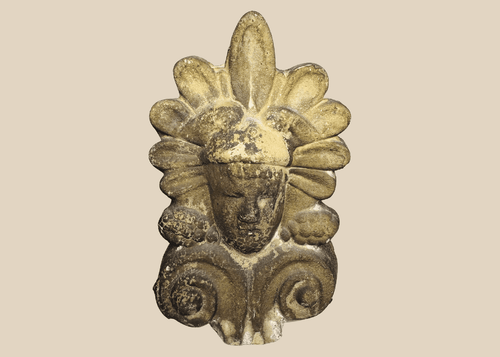
Greek Architectural Roof Tile Ornament | Palmette and Hermes Motif | Circa Late 19th to Early 20th Century
- Regular price
- $600.00
- Sale price
- $600.00
- Regular price
-
Ancient Roman Glass Bracelet with Applied Nodular Decoration | Circa 2nd–4th Century AD
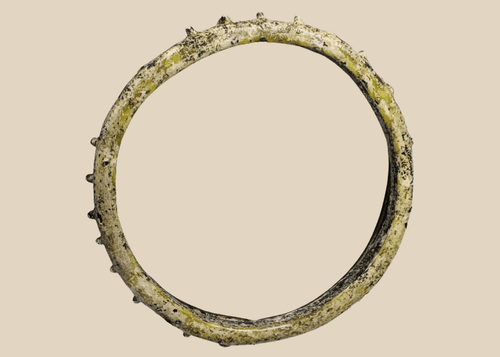
Ancient Roman Glass Bracelet with Applied Nodular Decoration | Circa 2nd–4th Century AD
- Regular price
- $600.00
- Sale price
- $600.00
- Regular price
-
Ancient Roman Blue Glass Candlestick Unguentarium | Circa 1st–3rd Century AD
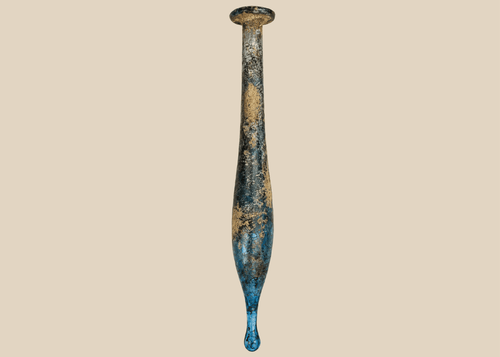
Ancient Roman Blue Glass Candlestick Unguentarium | Circa 1st–3rd Century AD
- Regular price
- $600.00
- Sale price
- $600.00
- Regular price
-
Ancient Roman Free-Blown Olive Green Glass Flask | Circa 1st–3rd Century AD
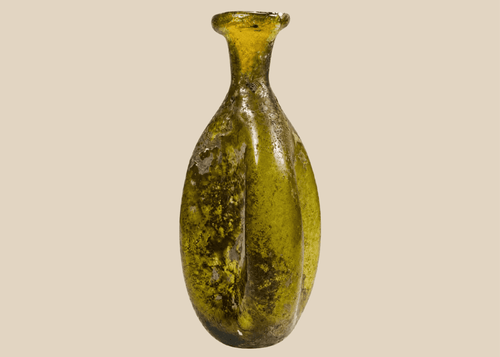
Ancient Roman Free-Blown Olive Green Glass Flask | Circa 1st–3rd Century AD
- Regular price
- $600.00
- Sale price
- $600.00
- Regular price
-
Pre-Columbian Terracotta Pedestal Ceremonial Vessel | Painted Earthenware Bowl | Circa 500 BCE–1200 CE
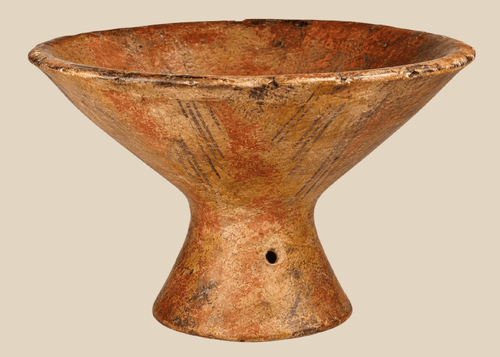
Pre-Columbian Terracotta Pedestal Ceremonial Vessel | Painted Earthenware Bowl | Circa 500 BCE–1200 CE
- Regular price
- $600.00
- Sale price
- $600.00
- Regular price
-
Ancient Carved Stone Stamp Seal with Geometric Symbols | Circa 2000–1000 B.C.
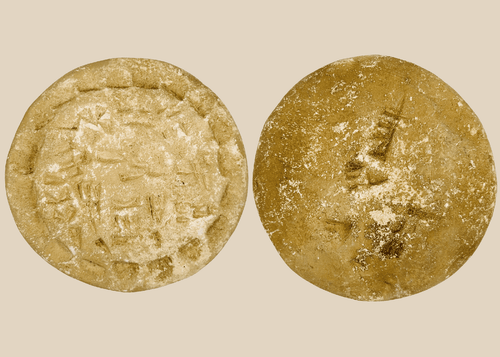
Ancient Carved Stone Stamp Seal with Geometric Symbols | Circa 2000–1000 B.C.
- Regular price
- $600.00
- Sale price
- $600.00
- Regular price
-
Hand-Carved Spanish Colonial Saint Figure | Aged Polychrome Sculpture | Circa 18th–19th Century
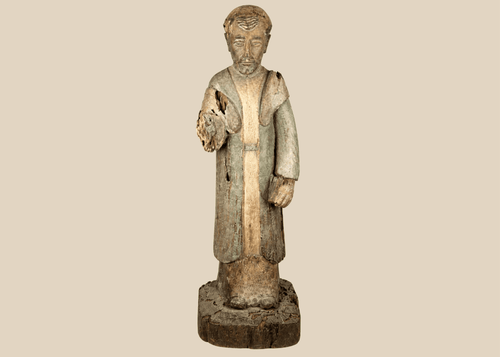
Hand-Carved Spanish Colonial Saint Figure | Aged Polychrome Sculpture | Circa 18th–19th Century
- Regular price
- $600.00
- Sale price
- $600.00
- Regular price
-
Large Gilt Painted Stone Kneeling Buddha Figure | Southeast Asian Buddhist Devotional Sculpture | Circa 19th Century
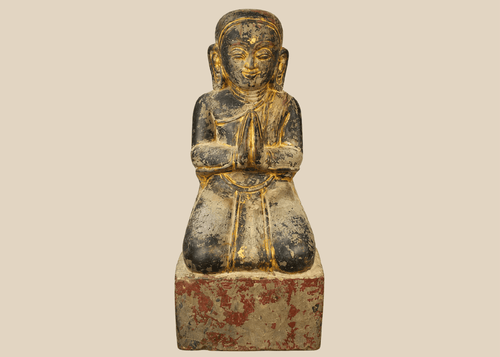
Large Gilt Painted Stone Kneeling Buddha Figure | Southeast Asian Buddhist Devotional Sculpture | Circa 19th Century
- Regular price
- $600.00
- Sale price
- $600.00
- Regular price
-
Ancient Silver Signet Ring with Sunburst Motif | Circa 200–500 CE
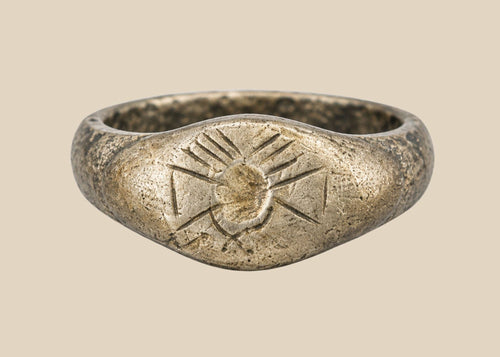
Ancient Silver Signet Ring with Sunburst Motif | Circa 200–500 CE
- Regular price
- $600.00
- Sale price
- $600.00
- Regular price
-
Antique Sassanian | Silver Carnelian | Monogram Bezel Ring | Circa 224 – 651 CE
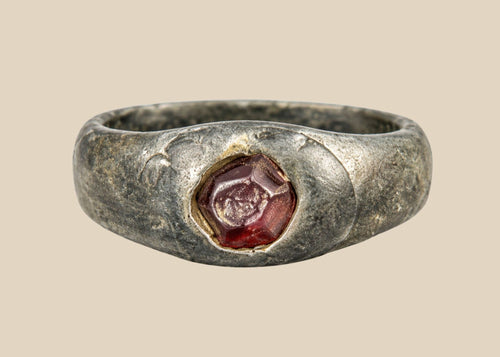
Antique Sassanian | Silver Carnelian | Monogram Bezel Ring | Circa 224 – 651 CE
- Regular price
- $600.00
- Sale price
- $600.00
- Regular price
-
Antique Burmese Gilded Monk Statue | Southeast Asian Buddhist Art | Circa 19th Century
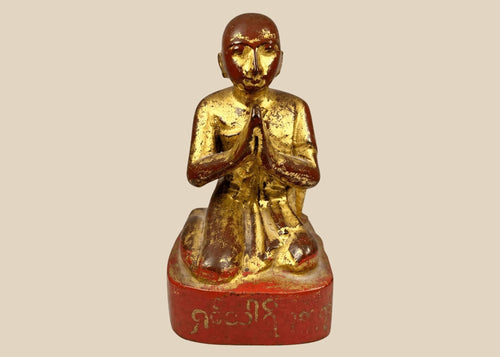
Antique Burmese Gilded Monk Statue | Southeast Asian Buddhist Art | Circa 19th Century
- Regular price
- $600.00
- Sale price
- $600.00
- Regular price
-
Spanish Colonial or European Santo | Hand-Carved Wooden Saint with Traces of Polychrome | 17th–18th Century
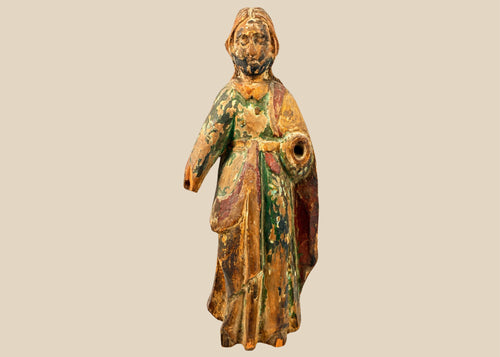
Spanish Colonial or European Santo | Hand-Carved Wooden Saint with Traces of Polychrome | 17th–18th Century
- Regular price
- $600.00
- Sale price
- $600.00
- Regular price
-
Thai or Cambodian Buddha Head | Carved Stone Sculpture on Marble Base | 18th–19th Century
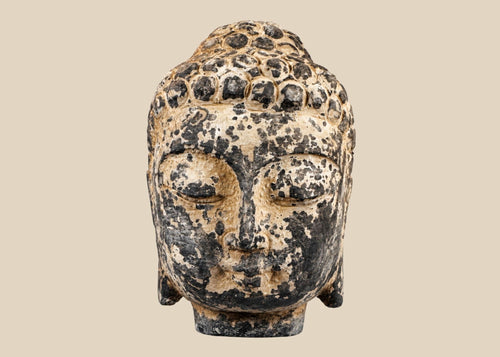
Thai or Cambodian Buddha Head | Carved Stone Sculpture on Marble Base | 18th–19th Century
- Regular price
- $600.00
- Sale price
- $600.00
- Regular price
-
Ancient Roman Glass Tear Bottle | Israel Region | 2nd Century CE
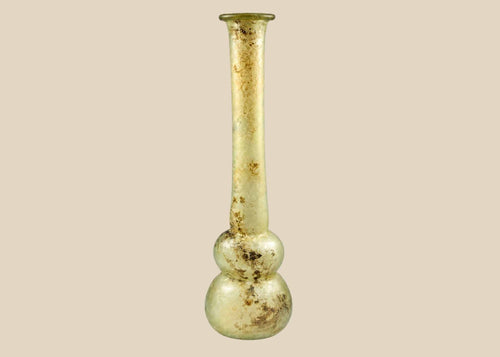
Ancient Roman Glass Tear Bottle | Israel Region | 2nd Century CE
- Regular price
- $600.00
- Sale price
- $600.00
- Regular price
-
Pair of European Devotional Miniatures | Hand-Painted Madonnina and Virgin Mary | Circa 1880–1920
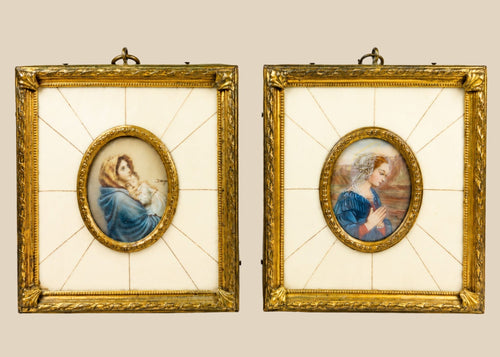
Pair of European Devotional Miniatures | Hand-Painted Madonnina and Virgin Mary | Circa 1880–1920
- Regular price
- $600.00
- Sale price
- $600.00
- Regular price


Collector Insights
What is the difference between pottery, ceramics, and terracotta?
Ceramics is the broad term for objects made from clay and hardened through firing. Pottery usually refers to functional or decorative ceramic vessels, while terracotta is a porous fired clay commonly used for ancient vessels, figurines, architectural elements, and sculpture.
Why were terracotta figures created in ancient cultures?
Ancient terracotta figures served many purposes. Depending on the culture, they could represent deities, ancestors, attendants, animals, or scenes from everyday life and might be used as religious offerings, funerary objects, household decorations, or symbols of status. The collection includes examples from Greek, Chinese, Pre-Columbian, and other traditions.
What is polychrome decoration in historical art?
Polychrome means decorated with multiple colours. Pigments were applied to wood, stone, terracotta, and other materials to make figures and architectural elements more lifelike or symbolically meaningful. Surviving traces of original paint can provide valuable evidence about how historical artworks originally appeared.
Why do ancient ceramics and sculptures often survive as fragments?
Objects can become fragmented through centuries of use, burial, environmental exposure, structural deterioration, or accidental damage. Even a partial ancient sculpture, ceramic vessel, or architectural fragment can preserve important information about artistic style, craftsmanship, symbolism, and cultural traditions.
How are ancient ceramics and historical artworks dated?
Researchers consider characteristics such as materials, manufacturing techniques, form, decoration, pigments, iconography, stylistic features, and surface aging. Comparisons with excavated, museum, and other documented examples can help establish an object's likely period and cultural origin.
Discover Relic & Rarity
on Instagram

