



¿Por qué coleccionar cerámica antigua de Relic and Rarity?
Cada objeto de colección es cuidadosamente investigado, autenticado y seleccionado antes de ser ofrecido a la venta. Cada compra está respaldada por nuestra Garantía de Autenticidad y, siempre que esté disponible, incluye procedencia documentada, embalaje seguro, envío gratuito a todo el mundo y soporte dedicado al coleccionista.

Cerámica y alfarería: arte patrimonial antiguo
-
Gran Figura de Soldado de Infantería de Terracota Pintada de la Dinastía Han | Circa 206 a.C.–220 d.C.
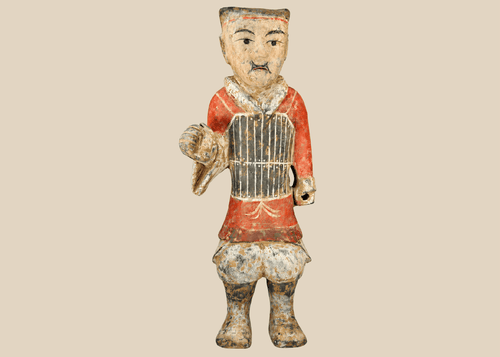
Gran Figura de Soldado de Infantería de Terracota Pintada de la Dinastía Han | Circa 206 a.C.–220 d.C.
- Precio habitual
- $3,500.00
- Precio de venta
- $3,500.00
- Precio habitual
-
Gran urna efigie figurativa de Chancay | Antiguo artefacto peruano | Escultura de terracota precolombina | 1000-1400 d. C.
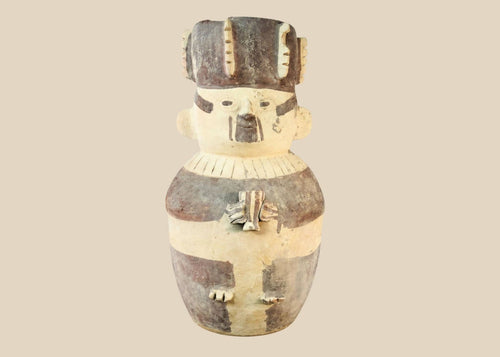
Gran urna efigie figurativa de Chancay | Antiguo artefacto peruano | Escultura de terracota precolombina | 1000-1400 d. C.
- Precio habitual
- $3,500.00
- Precio de venta
- $3,500.00
- Precio habitual
-
Gran cabeza de figura de templo policromada china con sello de exportación | Circa siglo XIX - principios del XX
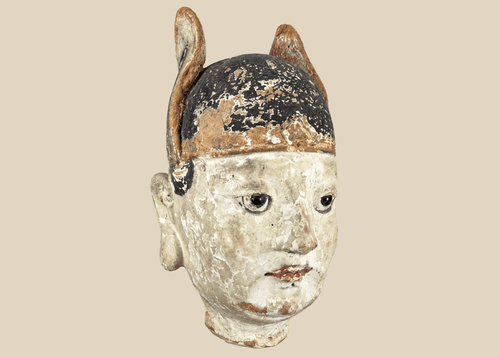
Gran cabeza de figura de templo policromada china con sello de exportación | Circa siglo XIX - principios del XX
- Precio habitual
- $3,000.00
- Precio de venta
- $3,000.00
- Precio habitual
-
Figura de jinete a caballo de terracota beocia de la Antigua Grecia | Procedencia detallada | Circa 700–500 a. C.
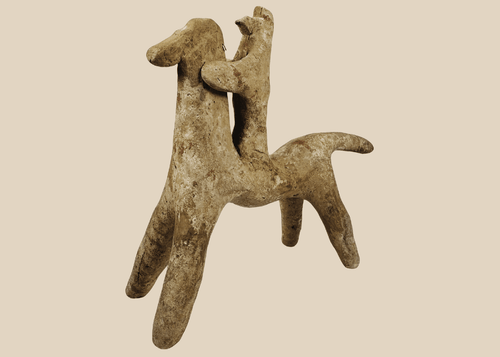
Figura de jinete a caballo de terracota beocia de la Antigua Grecia | Procedencia detallada | Circa 700–500 a. C.
- Precio habitual
- $3,000.00
- Precio de venta
- $3,000.00
- Precio habitual
-
Dinastía Wei del Norte | Figura de asistente de la corte con restos de pigmento policromado | C. 386-535 d. C.
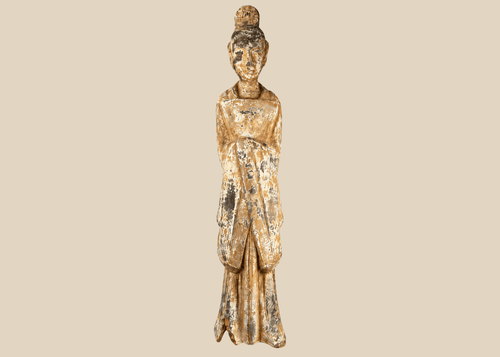
Dinastía Wei del Norte | Figura de asistente de la corte con restos de pigmento policromado | C. 386-535 d. C.
- Precio habitual
- $2,500.00
- Precio de venta
- $2,500.00
- Precio habitual
-
Cabeza de hacha ceremonial de piedra del antiguo Veracruz | Período Clásico | Circa 600 – 900 d.C.
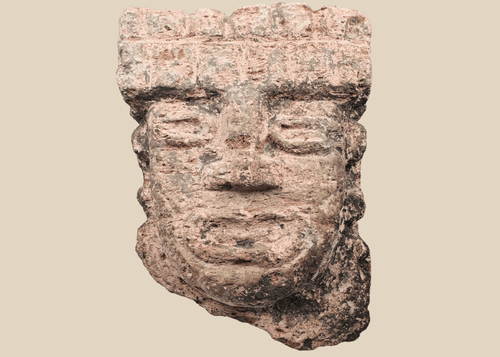
Cabeza de hacha ceremonial de piedra del antiguo Veracruz | Período Clásico | Circa 600 – 900 d.C.
- Precio habitual
- $2,500.00
- Precio de venta
- $2,500.00
- Precio habitual
-
Figura femenina de terracota de Colima con tocado y pintura corporal | México Antiguo | Procedencia detallada | Circa 300 a. C. – 300 d. C.
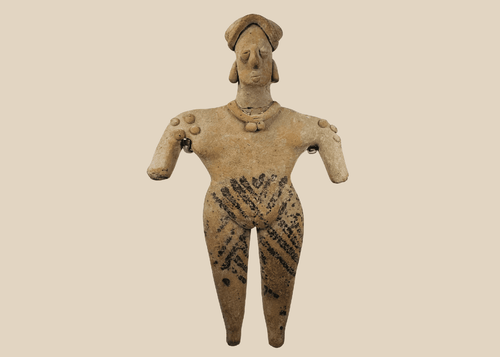
Figura femenina de terracota de Colima con tocado y pintura corporal | México Antiguo | Procedencia detallada | Circa 300 a. C. – 300 d. C.
- Precio habitual
- $2,500.00
- Precio de venta
- $2,500.00
- Precio habitual
-
Ladrillo de terracota budista de la dinastía Wei del Norte de China con relieve de Buda sentado | Circa 386-534 d. C.

Ladrillo de terracota budista de la dinastía Wei del Norte de China con relieve de Buda sentado | Circa 386-534 d. C.
- Precio habitual
- $2,000.00
- Precio de venta
- $2,000.00
- Precio habitual
-
Antiguo grupo chino de terracota pintada de Madame Tang y su suegra | Dinastía Yuan-Ming | Circa siglo XIV-XVII
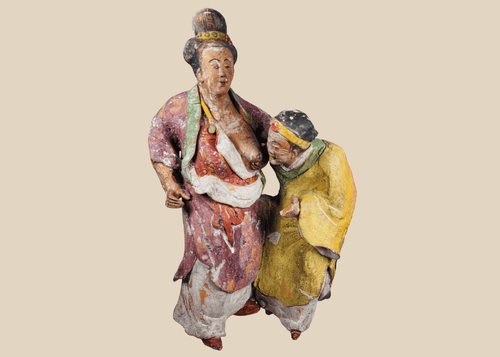
Antiguo grupo chino de terracota pintada de Madame Tang y su suegra | Dinastía Yuan-Ming | Circa siglo XIV-XVII
- Precio habitual
- $2,000.00
- Precio de venta
- $2,000.00
- Precio habitual
-
Antigua vasija de cerámica de cinco boquillas de Colima | Oeste de México | Circa 200 a. C. – 500 d. C.

Antigua vasija de cerámica de cinco boquillas de Colima | Oeste de México | Circa 200 a. C. – 500 d. C.
- Precio habitual
- $1,750.00
- Precio de venta
- $1,750.00
- Precio habitual
-
Gran Incensario de Terracota con Forma de Ding Chino Antiguo | Dinastía Zhou Oriental-Han | Circa 475 a. C.-220 d. C.
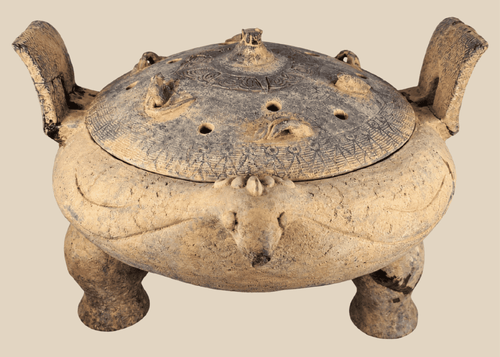
Gran Incensario de Terracota con Forma de Ding Chino Antiguo | Dinastía Zhou Oriental-Han | Circa 475 a. C.-220 d. C.
- Precio habitual
- $1,750.00
- Precio de venta
- $1,750.00
- Precio habitual
-
Vaso efigie de cerdo de la antigua cultura Yortan | Anatolia | Principios de la Edad del Bronce | Procedencia detallada | Circa 1700 a. C.
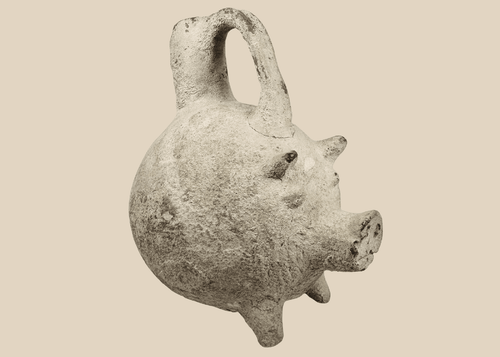
Vaso efigie de cerdo de la antigua cultura Yortan | Anatolia | Principios de la Edad del Bronce | Procedencia detallada | Circa 1700 a. C.
- Precio habitual
- $1,750.00
- Precio de venta
- $1,750.00
- Precio habitual
-
Figura de chamán sedente precolombino con cuentas rojas | Cultura Nayarit, oeste de México | Circa 300 a. C.–500 d. C.
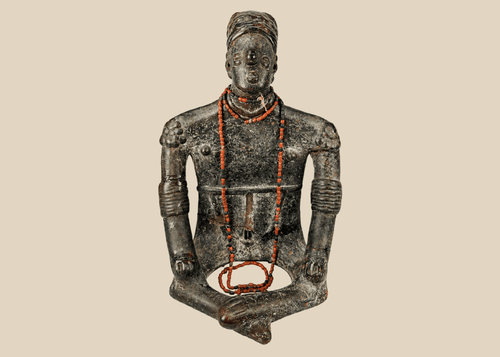
Figura de chamán sedente precolombino con cuentas rojas | Cultura Nayarit, oeste de México | Circa 300 a. C.–500 d. C.
- Precio habitual
- $1,500.00
- Precio de venta
- $1,500.00
- Precio habitual
-
Par de antiguos servidores funerarios chinos de terracota | Dinastía Han | Circa 206 a. C. – 9 d. C.
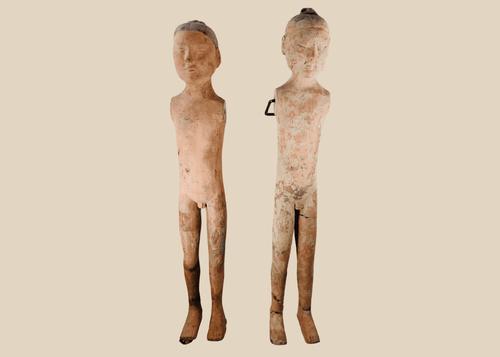
Par de antiguos servidores funerarios chinos de terracota | Dinastía Han | Circa 206 a. C. – 9 d. C.
- Precio habitual
- $1,500.00
- Precio de venta
- $1,500.00
- Precio habitual
-
Jarra de cerámica del Neolítico-Edad del Bronce Temprano | Vasija ritual de doble asa | Europa Central y Oriental | Circa 3000-2000 a. C.
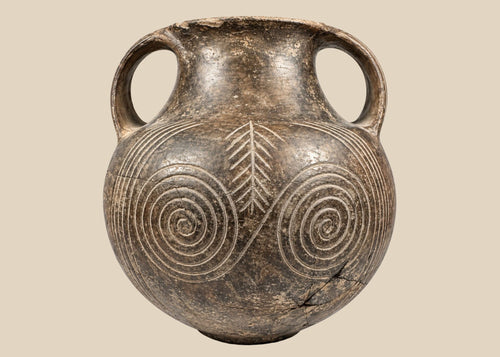
Jarra de cerámica del Neolítico-Edad del Bronce Temprano | Vasija ritual de doble asa | Europa Central y Oriental | Circa 3000-2000 a. C.
- Precio habitual
- $1,500.00
- Precio de venta
- $1,500.00
- Precio habitual
-
Vasija de estribo precolombina chimú de fuego negro | Imágenes rituales de ranas | 550–770 años de antigüedad
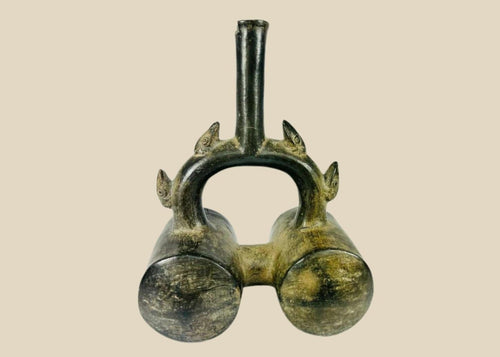
Vasija de estribo precolombina chimú de fuego negro | Imágenes rituales de ranas | 550–770 años de antigüedad
- Precio habitual
- $1,500.00
- Precio de venta
- $1,500.00
- Precio habitual
-
Cuenco trípode precolombino del oeste de México con decoración pintada | Circa 300 a. C. – 700 d. C.

Cuenco trípode precolombino del oeste de México con decoración pintada | Circa 300 a. C. – 700 d. C.
- Precio habitual
- $1,250.00
- Precio de venta
- $1,250.00
- Precio habitual
-
Precolombino | Copa policromada con guarnición figurativa antropomorfa | Perú | Circa 400–800 d. C.

Precolombino | Copa policromada con guarnición figurativa antropomorfa | Perú | Circa 400–800 d. C.
- Precio habitual
- $1,250.00
- Precio de venta
- $1,250.00
- Precio habitual
-
Gran músico de flauta sentado chino de terracota | Dinastía Han | Circa 206 a. C. – 220 d. C.

Gran músico de flauta sentado chino de terracota | Dinastía Han | Circa 206 a. C. – 220 d. C.
- Precio habitual
- $1,250.00
- Precio de venta
- $1,250.00
- Precio habitual
-
Chinese Pottery Head Fragment | Attributed to Ming Dynasty | Circa 1368 – 1644 CE
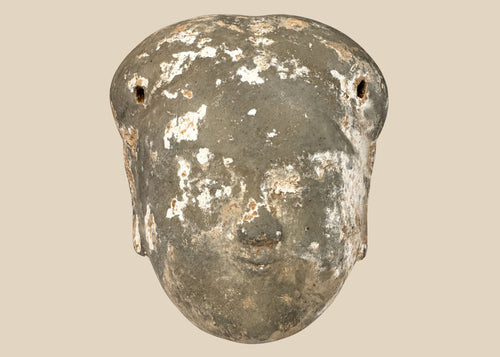
Chinese Pottery Head Fragment | Attributed to Ming Dynasty | Circa 1368 – 1644 CE
- Precio habitual
- $1,250.00
- Precio de venta
- $1,250.00
- Precio habitual
-
Colección de Estudio Arqueológico del Antiguo Imperio Romano y Cercano Oriente | Artefactos de Vidrio, Cerámica y Piedra | Enmarcados | Circa 1000 BCE – 400 CE
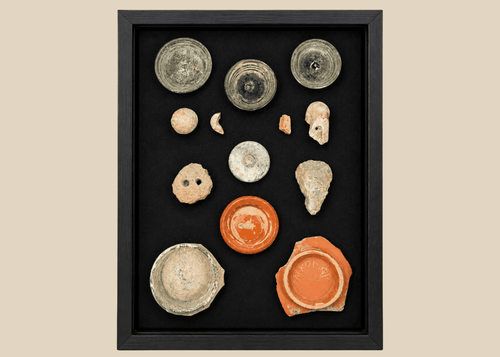
Colección de Estudio Arqueológico del Antiguo Imperio Romano y Cercano Oriente | Artefactos de Vidrio, Cerámica y Piedra | Enmarcados | Circa 1000 BCE – 400 CE
- Precio habitual
- $1,250.00
- Precio de venta
- $1,250.00
- Precio habitual
-
Par de funcionarios de cerámica china con vidriado turquesa y berenjena | Dinastía Ming tardía a principios de la dinastía Qing | Circa 1600 – 1750 EC
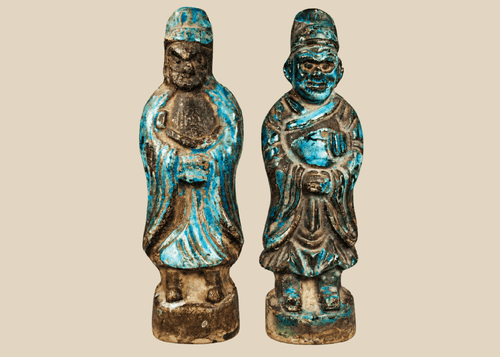
Par de funcionarios de cerámica china con vidriado turquesa y berenjena | Dinastía Ming tardía a principios de la dinastía Qing | Circa 1600 – 1750 EC
- Precio habitual
- $1,250.00
- Precio de venta
- $1,250.00
- Precio habitual
-
Figuras de pan de jengibre de Colima precolombino (2) | Efigies de terracota variante Teco | Procedencia detallada | Circa 100 a. C. - 300 d. C.

Figuras de pan de jengibre de Colima precolombino (2) | Efigies de terracota variante Teco | Procedencia detallada | Circa 100 a. C. - 300 d. C.
- Precio habitual
- $1,250.00
- Precio de venta
- $1,250.00
- Precio habitual
-
Grupo de dos cuencos kassérine de terracota del Imperio Romano | Túnez | Procedencia detallada | C. siglo II-III EC
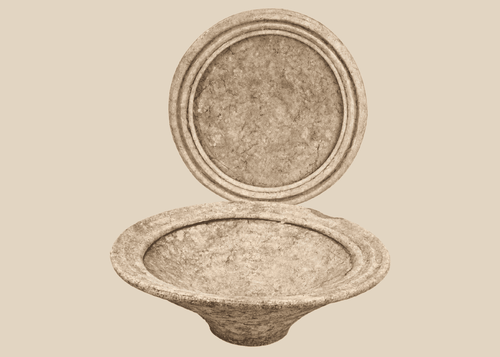
Grupo de dos cuencos kassérine de terracota del Imperio Romano | Túnez | Procedencia detallada | C. siglo II-III EC
- Precio habitual
- $1,250.00
- Precio de venta
- $1,250.00
- Precio habitual
-
Ancient Eastern Indian Buddhist Votive Stupas | Group of 3 | Circa 8th – 12th Century CE
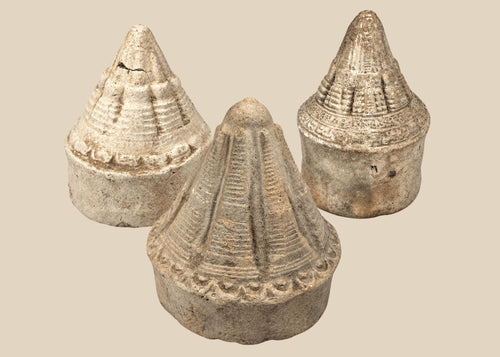
Ancient Eastern Indian Buddhist Votive Stupas | Group of 3 | Circa 8th – 12th Century CE
- Precio habitual
- $1,200.00
- Precio de venta
- $1,200.00
- Precio habitual
-
Pre-Columbian Veracruz Sonriente “Smiling Face” Terracotta Head | Circa 600–900 CE
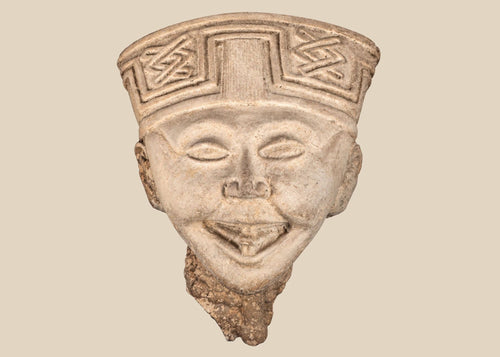
Pre-Columbian Veracruz Sonriente “Smiling Face” Terracotta Head | Circa 600–900 CE
- Precio habitual
- $1,200.00
- Precio de venta
- $1,200.00
- Precio habitual
-
Vaso de aceite griego antiguo de figuras negras | Circa siglo VI-V a.C.
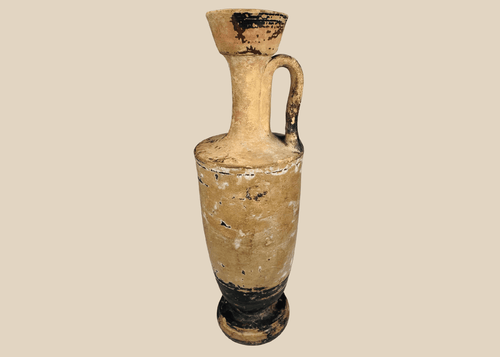
Vaso de aceite griego antiguo de figuras negras | Circa siglo VI-V a.C.
- Precio habitual
- $1,200.00
- Precio de venta
- $1,200.00
- Precio habitual
-
Precolombino | Vasija Efigie de Jaguar | Guanacaste-Nicoya o Norte del Perú | Circa 500–1200 d. C.
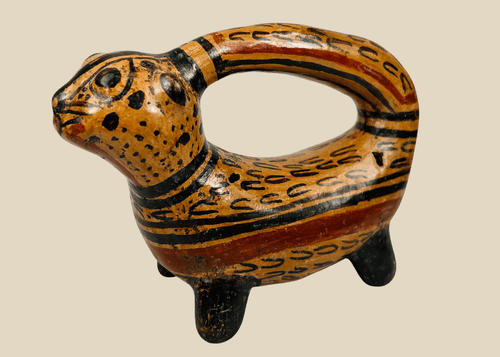
Precolombino | Vasija Efigie de Jaguar | Guanacaste-Nicoya o Norte del Perú | Circa 500–1200 d. C.
- Precio habitual
- $1,200.00
- Precio de venta
- $1,200.00
- Precio habitual
-
África Occidental | Vasija ritual de terracota con cabeza de cocodrilo | Siglos XII-XVIII
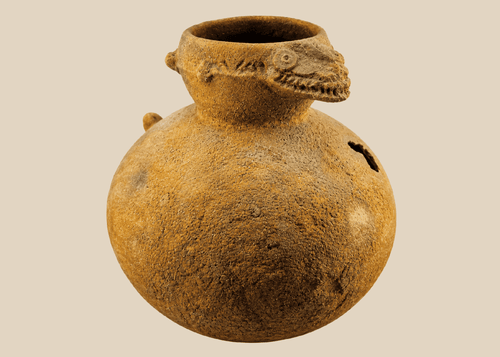
África Occidental | Vasija ritual de terracota con cabeza de cocodrilo | Siglos XII-XVIII
- Precio habitual
- $1,000.00
- Precio de venta
- $1,000.00
- Precio habitual
-
Lámpara de aceite de terracota cartaginesa antigua con forma de platillo con monedas de bronce asociadas | Circa siglo V a. C. - siglo I d. C.
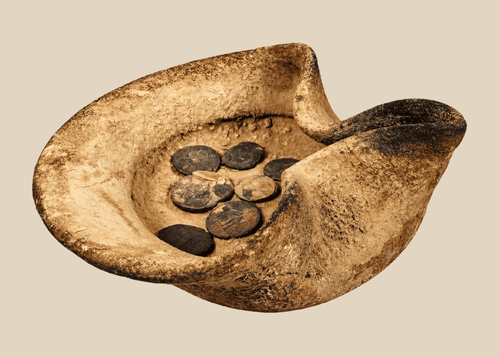
Lámpara de aceite de terracota cartaginesa antigua con forma de platillo con monedas de bronce asociadas | Circa siglo V a. C. - siglo I d. C.
- Precio habitual
- $1,000.00
- Precio de venta
- $1,000.00
- Precio habitual
-
Ancient Greek Terracotta Votive Protome Bust | Late Archaic–Classical | Circa 550 – 400 BCE
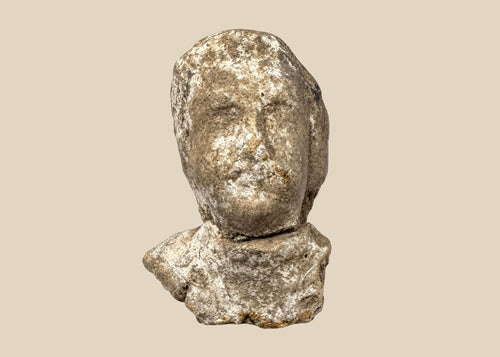
Ancient Greek Terracotta Votive Protome Bust | Late Archaic–Classical | Circa 550 – 400 BCE
- Precio habitual
- $1,000.00
- Precio de venta
- $1,000.00
- Precio habitual
-
Ancient Chinese Gray Pottery Covered Bowl | Tang Dynasty, 7th–8th Century CE
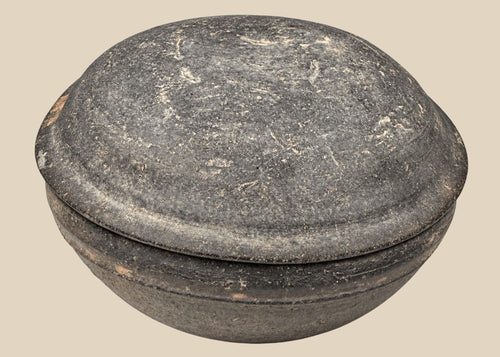
Ancient Chinese Gray Pottery Covered Bowl | Tang Dynasty, 7th–8th Century CE
- Precio habitual
- $1,000.00
- Precio de venta
- $1,000.00
- Precio habitual
-
Thai Sawankhalok Glazed Stoneware Covered Jar with Architectural Lid | Circa 15th–16th Century
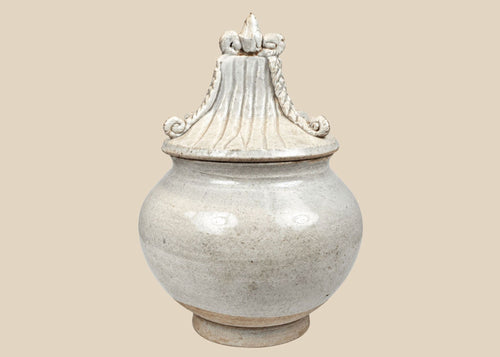
Thai Sawankhalok Glazed Stoneware Covered Jar with Architectural Lid | Circa 15th–16th Century
- Precio habitual
- $1,000.00
- Precio de venta
- $1,000.00
- Precio habitual
-
Pre-Columbian Andean Blackware Canteen Vessel | Anthropomorphic Sunburst Figure | Peru | Circa 1000 – 1500 CE

Pre-Columbian Andean Blackware Canteen Vessel | Anthropomorphic Sunburst Figure | Peru | Circa 1000 – 1500 CE
- Precio habitual
- $1,000.00
- Precio de venta
- $1,000.00
- Precio habitual
-
Fragmento de cabeza de terracota mesopotámica | Período Isin-Larsa al Paleobabilónico | Circa 2000 – 1500 a. C.
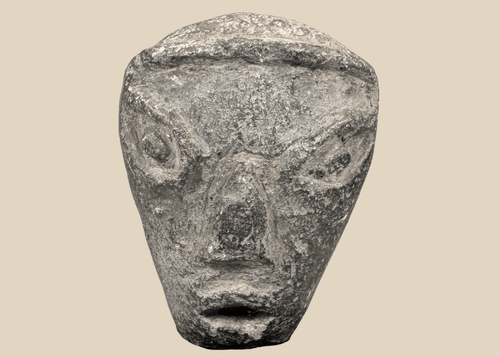
Fragmento de cabeza de terracota mesopotámica | Período Isin-Larsa al Paleobabilónico | Circa 2000 – 1500 a. C.
- Precio habitual
- $1,000.00
- Precio de venta
- $1,000.00
- Precio habitual
-
Jarra de terracota acanalada del norte de África de la Antigua Roma | Túnez | Procedencia detallada | Circa 100-500 EC
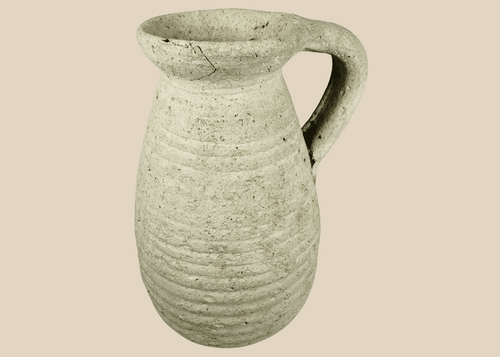
Jarra de terracota acanalada del norte de África de la Antigua Roma | Túnez | Procedencia detallada | Circa 100-500 EC
- Precio habitual
- $1,000.00
- Precio de venta
- $1,000.00
- Precio habitual
-
Incensario de terracota Manteño precolombino | Tapa de brasero antropomórfico | Ecuador | Procedencia detallada | Cerca de 800 a. C. - 800 d. C.
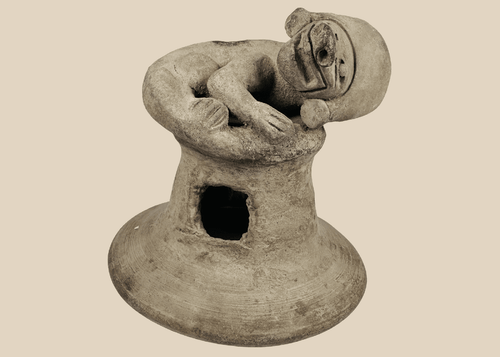
Incensario de terracota Manteño precolombino | Tapa de brasero antropomórfico | Ecuador | Procedencia detallada | Cerca de 800 a. C. - 800 d. C.
- Precio habitual
- $1,000.00
- Precio de venta
- $1,000.00
- Precio habitual
-
Azulejo de esquina de cerámica policromada del período Rattanakosin, Tailandia | Siglo XVIII aproximadamente
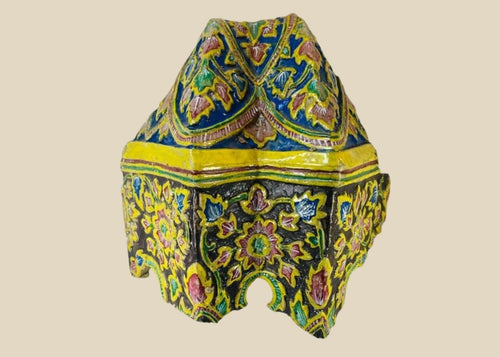
Azulejo de esquina de cerámica policromada del período Rattanakosin, Tailandia | Siglo XVIII aproximadamente
- Precio habitual
- $1,000.00
- Precio de venta
- $1,000.00
- Precio habitual
-
Conjunto de vasijas de cerámica Sawankhalok del sudeste asiático antiguo | Siglo XIV-XV aproximadamente
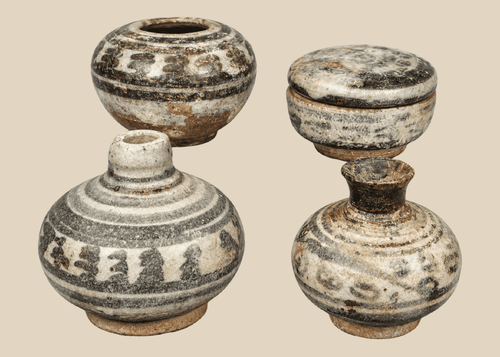
Conjunto de vasijas de cerámica Sawankhalok del sudeste asiático antiguo | Siglo XIV-XV aproximadamente
- Precio habitual
- $1,000.00
- Precio de venta
- $1,000.00
- Precio habitual
-
Lámpara de aceite de pedestal y soporte de ofrenda ritual de terracota del Mediterráneo Oriental Antiguo | Circa 1200 – 600 a.C.
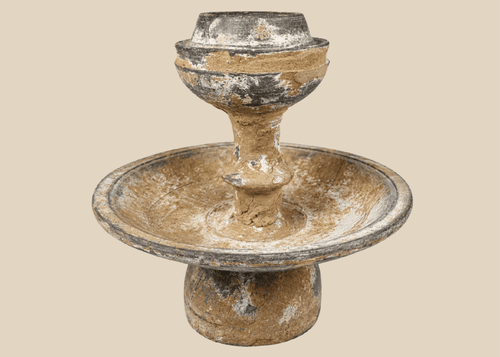
Lámpara de aceite de pedestal y soporte de ofrenda ritual de terracota del Mediterráneo Oriental Antiguo | Circa 1200 – 600 a.C.
- Precio habitual
- $1,000.00
- Precio de venta
- $1,000.00
- Precio habitual
-
Vasija de cerámica neolítica china antigua pintada con decoración geométrica | Alrededor del 3300-2000 a. C.
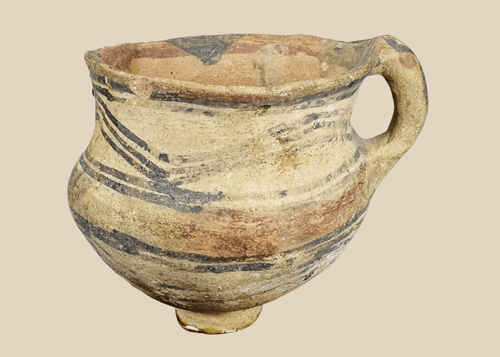
Vasija de cerámica neolítica china antigua pintada con decoración geométrica | Alrededor del 3300-2000 a. C.
- Precio habitual
- $1,000.00
- Precio de venta
- $1,000.00
- Precio habitual
-
Precolombino | Vaso efigie de Nicoya con motivos reptilianos | Costa Rica | Circa 800–1500 d.C.
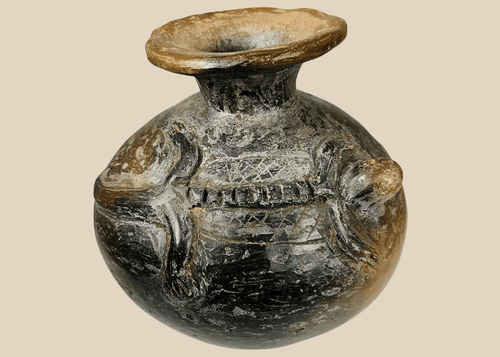
Precolombino | Vaso efigie de Nicoya con motivos reptilianos | Costa Rica | Circa 800–1500 d.C.
- Precio habitual
- $1,000.00
- Precio de venta
- $1,000.00
- Precio habitual
-
Sudeste Asiático | Budista de terracota | Placas votivas | Siglos XIV-XVIII
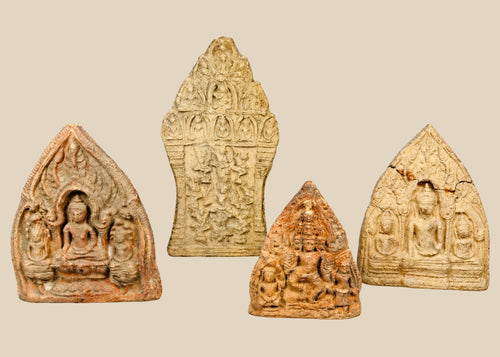
Sudeste Asiático | Budista de terracota | Placas votivas | Siglos XIV-XVIII
- Precio habitual
- $1,000.00
- Precio de venta
- $1,000.00
- Precio habitual
-
Vaso efigie de terracota precolombino | Figura humana sentada | C. 500 a. C. – 900 d. C.
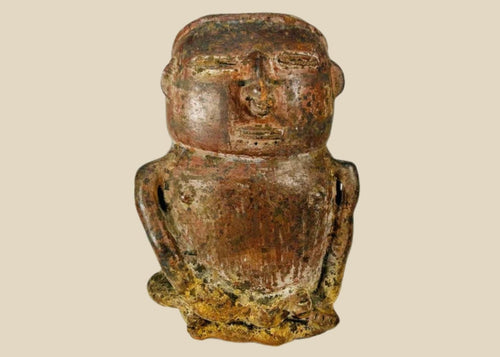
Vaso efigie de terracota precolombino | Figura humana sentada | C. 500 a. C. – 900 d. C.
- Precio habitual
- $1,000.00
- Precio de venta
- $1,000.00
- Precio habitual
-
Cerámica mesoamericana precolombina | Cerámica ritual y utilitaria | Circa 1500 a. C. – 1521 d. C.
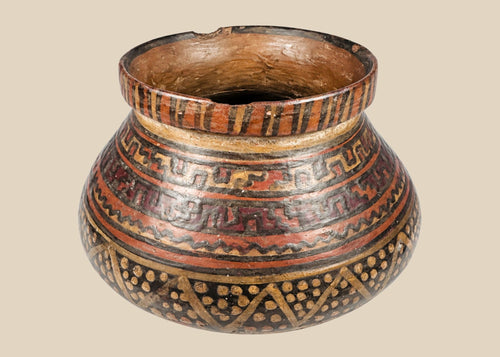
Cerámica mesoamericana precolombina | Cerámica ritual y utilitaria | Circa 1500 a. C. – 1521 d. C.
- Precio habitual
- $1,000.00
- Precio de venta
- $1,000.00
- Precio habitual
-
Cerámica negra Sican de Lambayeque | Circa 750-1375 d. C.

Cerámica negra Sican de Lambayeque | Circa 750-1375 d. C.
- Precio habitual
- $1,000.00
- Precio de venta
- $1,000.00
- Precio habitual
-
Cuatro cuencos de celadón Song | Provincia de Fujian | Alrededor del siglo XII
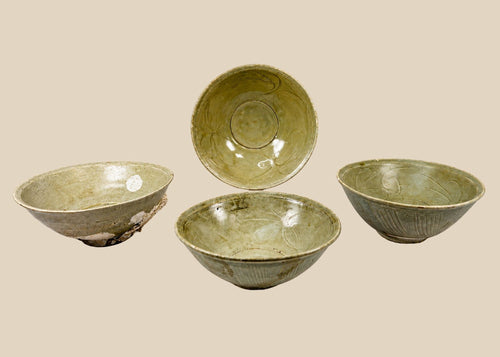
Cuatro cuencos de celadón Song | Provincia de Fujian | Alrededor del siglo XII
- Precio habitual
- $1,000.00
- Precio de venta
- $1,000.00
- Precio habitual
-
Músico de la corte de la dinastía Tang de terracota | Figura femenina con flauta de Pan y restos de pigmento | C. siglos VII-IX
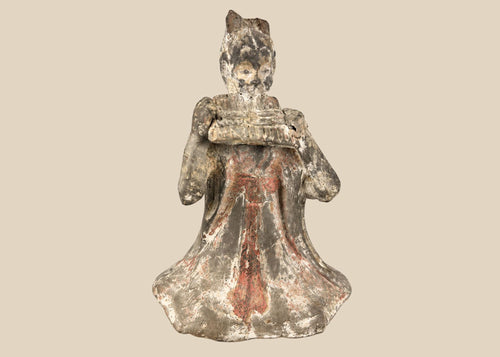
Músico de la corte de la dinastía Tang de terracota | Figura femenina con flauta de Pan y restos de pigmento | C. siglos VII-IX
- Precio habitual
- $1,000.00
- Precio de venta
- $1,000.00
- Precio habitual


Información de Collector
¿Qué tipos de cerámica y alfarería antiguas se presentan en esta colección?
Esta colección puede incluir vasijas de cerámica antiguas, cuencos, tinajas, ánforas, lámparas de aceite, incensarios, vasijas efigie, figuras de terracota y fragmentos de cerámica. Las piezas disponibles van desde objetos domésticos funcionales hasta arte ritual y funerario.
¿Qué culturas están representadas en la colección de cerámica?
La colección presenta ejemplos de cerámica romana, cerámica griega, cerámica precolombina, cerámica china antigua, objetos egipcios, cerámica islámica y vasijas del Cercano Oriente. Las culturas y períodos representados cambian a medida que se adquieren y venden nuevas piezas.
¿Cuál es la diferencia entre alfarería, cerámica y terracota?
La cerámica es el término general para los objetos hechos de arcilla cocida. La alfarería se refiere generalmente a vasijas y recipientes de cerámica, mientras que la terracota describe una arcilla cocida porosa, generalmente de color marrón rojizo, comúnmente utilizada para vasijas, figuras y decoración arquitectónica.
¿Para qué se utilizaban los recipientes de cerámica antiguos?
Las antiguas vasijas de cerámica se utilizaban para almacenar alimentos y líquidos, cocinar, servir, comerciar, hacer ofrendas religiosas, prácticas funerarias y rituales ceremoniales. Su forma, decoración y material pueden proporcionar información sobre la cultura que las produjo.
¿Por qué la cerámica antigua presenta astillas, depósitos o superficies irregulares?
La cerámica antigua a menudo presenta desgaste, depósitos minerales, pérdida superficial, irregularidades de cocción, reparaciones o alteraciones relacionadas con el entierro. Estas características reflejan la edad e historia de un objeto y no deben eliminarse mediante una limpieza o restauración agresivas.
¿Cómo se determina la edad y el origen de la cerámica antigua?
La datación y atribución consideran la composición de la arcilla, la construcción, el método de cocción, la forma, la decoración, el esmalte, las características de la superficie y la comparación con ejemplos arqueológicos documentados. También se tienen en cuenta la procedencia disponible y los registros de colecciones anteriores.
¿Puedo comprar vasijas y cerámicas antiguas auténticas por internet?
Sí. Relic & Rarity ofrece cerámica antigua a la venta en línea, incluyendo vasijas romanas, cerámica griega, cerámica precolombina, figuras de terracota y arte cerámico histórico. Los listados incluyen fotografías, dimensiones, información sobre el estado de conservación, procedencia disponible y un Certificado de Autenticidad.
Descubre a @relicandraritygallery en Instagram

